Home › Concrete Slab Foundations and Flatwork
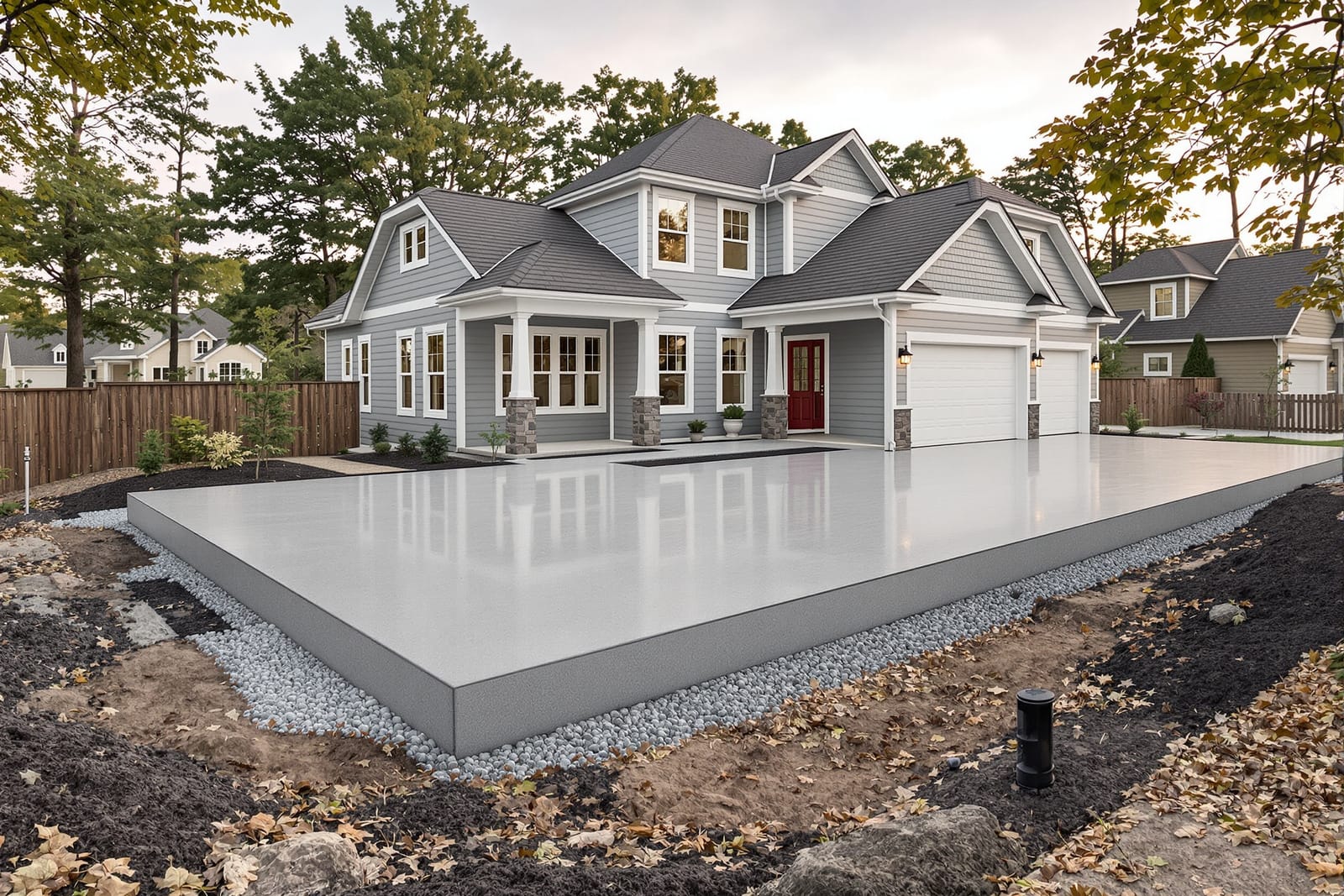
Get reliable concrete slabs and flatwork in Fort Smith, AR for sheds, garages, additions, and patios. We handle site prep, grading, forms, reinforcement, and finishing so your slab is level, strong, and ready for framing or equipment.
Superior Concrete Fort Smith provides professional concrete slab throughout Fort Smith, AR, Arkansas and the surrounding area. Our licensed, insured crew delivers safe, clean, on-time work with a free estimate before anything begins. Call 479 346 0698 or request your free quote.
Straight talk about concrete slab work in Fort Smith
If you are planning a new home, shop, room addition, or patio in the Fort Smith area, the concrete slab under it is what keeps everything straight, dry, and solid. At Superior Concrete Fort Smith, we focus on getting the fundamentals right for both slab foundations and flatwork so you are not fighting cracks and uneven floors a few years down the road.
Our area soil is a mix of clay and fill in many neighborhoods, and that matters. Clay swells when wet and shrinks when dry, which is why you see cracked driveways and doors that stick after a rainy spell. A good concrete slab in Fort Smith is not just about pouring a thicker slab. It means evaluating the soil, using the right base material, and placing control joints where they actually match your layout. We take the time to talk through what you are building, how you will use the space, and what vehicles or equipment will be on the slab.
Concrete slab work is one of those things that is hard to fix once it is wrong. Lifting or replacing a bad slab is always more expensive than doing it right the first time. That is why our crews focus on prep, layout, and drainage before any concrete truck shows up. When you hire Superior Concrete Fort Smith, you get local people who have seen what our Arkansas heat, storms, and freeze-thaw cycles do to concrete, and we build your slab to handle those conditions from day one.
How we build stronger slab foundations and flatwork
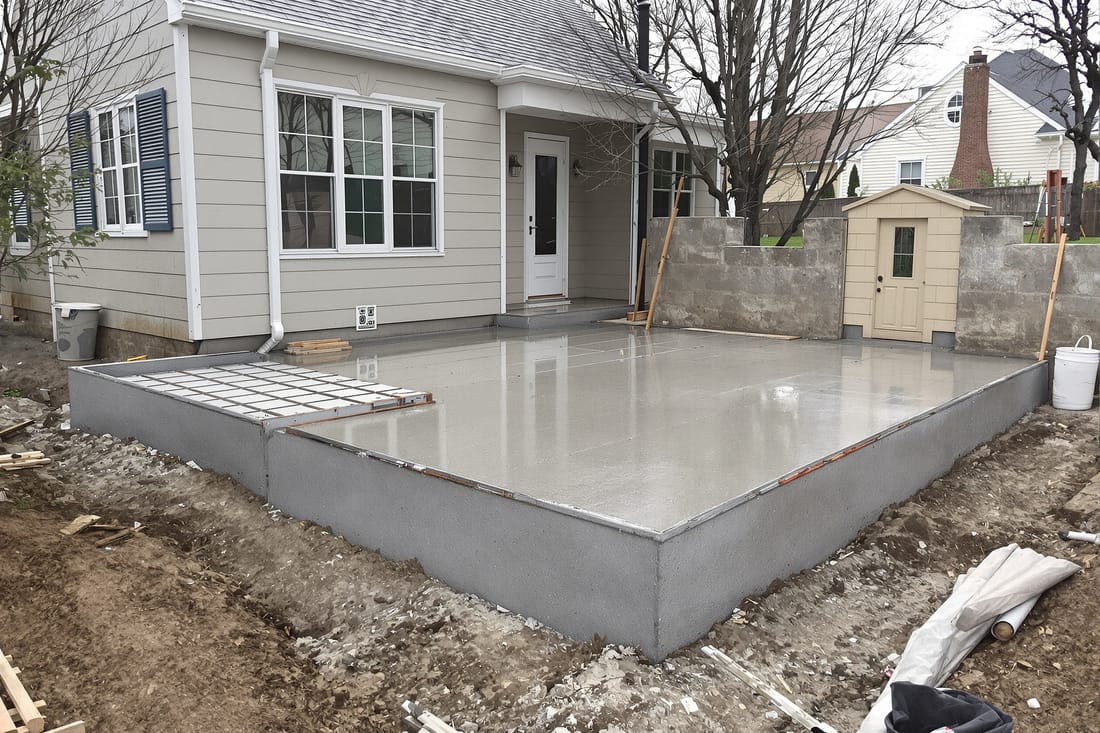
A durable concrete slab in Fort Smith starts underneath the concrete. We begin by stripping off any grass, roots, or organic material. Then we compact the subgrade with plate compactors or rollers so it does not settle later. In low spots or soft clay, we bring in and compact a layer of crushed stone or gravel, which helps drainage and keeps the slab from pumping mud when it is loaded.
Once the base is right, we set precise form boards using string lines and laser levels so your finished slab is flat and at the correct height. We build in a slight slope on exterior flatwork like patios, driveways, and walkways so water runs away from your home, not against the foundation. For interior slab foundations, we take more time on levelness since flooring installers and framers rely on a flat, true surface.
For most residential slabs we use a 3000 to 4000 psi concrete mix that is well suited to our local climate, with air entrainment if freeze-thaw is a concern in that spot. In high load areas like RV pads or shop floors that see heavy equipment, we often recommend thicker sections, higher strength mixes, and closer reinforcement spacing. We use rebar grids, wire mesh, or a combination depending on what the slab will support. The steel is kept on chairs so it stays in the middle of the slab, not at the bottom where it does little good.
During the pour, our crew works the concrete with screeds to establish the plane of the slab. After that we bull float, edge, and trowel so the surface closes up correctly. On hot Arkansas days we pay close attention to evaporation, and we may adjust finishing timing, use evaporation retarders, or add shade so the surface does not dry out too fast and craze. On cool mornings or in fall, we may delay finishing so the surface does not seal up before the underlying concrete has set properly.
Finishes, thicknesses, and options for your project
Not every concrete slab needs to look or perform the same way. Superior Concrete Fort Smith helps you match the slab design to the way you will actually use it so you are not paying for strength you do not need, or skipping features that would save you maintenance later.
Thickness is the first choice. A typical residential patio or basic shed slab might be 4 inches thick over a compacted base. Garage slabs and driveways are commonly 4 to 5 inches, but we may recommend 5 to 6 inches if you park heavy trucks, trailers, or an RV. For shop floors with lifts or point loads, we may design thickened areas or continuous footings integrated into the slab.
Finish options matter both for safety and looks. For patios, pool decks, and walks, broom finishes provide traction when wet and are the most practical in our rainy season. For garages and shops, we can trowel to a smoother finish that is easier to sweep and mop, or apply a light broom so the floor is not slick when oil or water gets on it. Decorative options like colored concrete, stamped borders, or saw-cut patterns are available too, and we can walk you through what holds up best under UV and traffic in our climate.
We also talk about joints from the start. Control joints are deliberate cuts or grooves that give the concrete a place to crack in a straight, hidden line. For most residential flatwork we space joints about 8 to 12 feet apart in both directions, adjusted for slab thickness, shape, and re-entrant corners. Around posts, corners of buildings, and inside garages, we place joints where experience tells us cracks like to form. Proper joint layout is one of the most effective and affordable ways to keep your slab looking good over time.
What affects cost and lifespan of a concrete slab
Customers in Fort Smith often ask why one concrete slab quote is higher than another. The biggest cost drivers are thickness, reinforcement, base preparation, access for equipment, and the complexity of the layout. A simple 10 by 20 patio on level ground with good access is naturally cheaper per square foot than a large driveway on a steep or soft lot that requires extra base material and forming.
Soil conditions are important. If we discover soft spots, old buried debris, or poorly compacted fill, we will recommend correcting those before pouring. That might add some cost up front, but prevents future settling and cracking. Truck access also matters. If the concrete truck cannot reach the site, we may need to pump or buggy the concrete, which takes more labor and equipment.
Longevity comes down to design, materials, and curing. We always encourage customers to let us cure the slab correctly. That can mean leaving curing compound on the surface, keeping it moist under plastic for several days, or using a combination of both. Proper curing helps the concrete reach its full strength and reduces shrinkage cracking. We also provide clear guidance on when you can walk on the slab, when light loads are okay, and when you can park vehicles or place heavy equipment.
In our climate, water management is just as important as strength. We shape the surrounding grade so water drains away from the slab and your house. If your property is prone to standing water, we may suggest French drains, added gravel, or adjusting the layout to keep concrete out of the worst spots. A slab that sits in water will deteriorate faster and can also cause foundation issues for nearby structures, so we try to solve those problems before the pour, not after.
Local timing, common issues, and how to get started
Fort Smith weather plays a big role in planning concrete slab foundations and flatwork. Spring and fall are generally ideal because temperatures are moderate and evaporation is more predictable. Summer pours work fine too, but we often start early in the morning to get ahead of the heat and storms, and we adjust our mix and curing methods to handle faster set times. Winter work is possible on many days, but we watch night temperatures closely and may use blankets or accelerators to protect the concrete from freezing while it gains strength.
Common issues we see on older slabs in the area include settlement near downspouts, heaving around large tree roots, and random cracking where there were no control joints. When we replace or extend existing slabs, we look at what went wrong the first time. Sometimes we add piers or thicker edges in weak areas, or separate new flatwork from existing with an isolation joint to prevent one slab pulling on another.
Before we quote your project, Superior Concrete Fort Smith usually visits the site, checks access, soil conditions, and drainage, and talks through how you use the space today and what you expect in the future. That way, if you plan to add a carport later, install a hot tub, or park an RV, we can build that into the slab design now instead of you having to tear out and redo concrete later.
If you are considering a concrete slab for a new building, addition, driveway, or patio, it helps to have a rough size, location, and purpose in mind when you call. We can then walk you through thickness options, reinforcement, finish choices, and a realistic schedule based on the time of year. Our goal is to leave you with a slab that fits your budget, holds up to real use in Fort Smith, and does not surprise you with problems a few seasons down the line.